





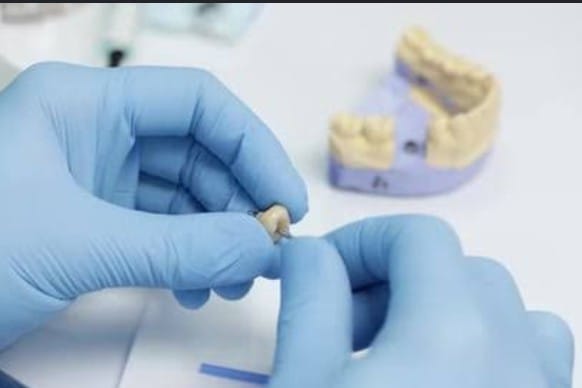
In-house digital lab — no outsourcing, no delays
About Dentovate
Dentovate was built around a simple idea: a restoration is only as good as the data behind it. Behind every treatment chair sits a fully equipped digital dental laboratory, where intraoral scans are converted into precise 3D models and refined by our in-house technicians using CAD design software. From there, CAM milling units carve each crown, bridge, veneer or implant abutment from medical-grade zirconia or ceramic — matched to your bite, shade and anatomy to a fraction of a millimetre. The result is a workflow that removes the guesswork of traditional dentistry: fewer visits, tighter margins, longer-lasting restorations, and a fit your dentist can verify on-screen before it's ever placed in your mouth.
Inside Dentovate


Digital Dentistry
Digital dentistry replaces guesswork with data. An intraoral scanner captures thousands of reference points across your teeth and gums in minutes, building a millimetre-accurate 3D model that our technicians design directly in CAD software — adjusting contact points, occlusion and shade before a single gram of material is cut. That design is then handed to CAM milling units, which carve the final restoration from solid zirconia or ceramic blocks with tolerances tighter than the human hand could ever achieve. The outcome is consistent quality, fewer remakes, faster turnaround and restorations that sit, look and function exactly as planned.
What We Do

Invisible, removable aligners that straighten teeth comfortably.
A digital scan maps your treatment plan from day one, so you can see how your smile will shift before you even begin.
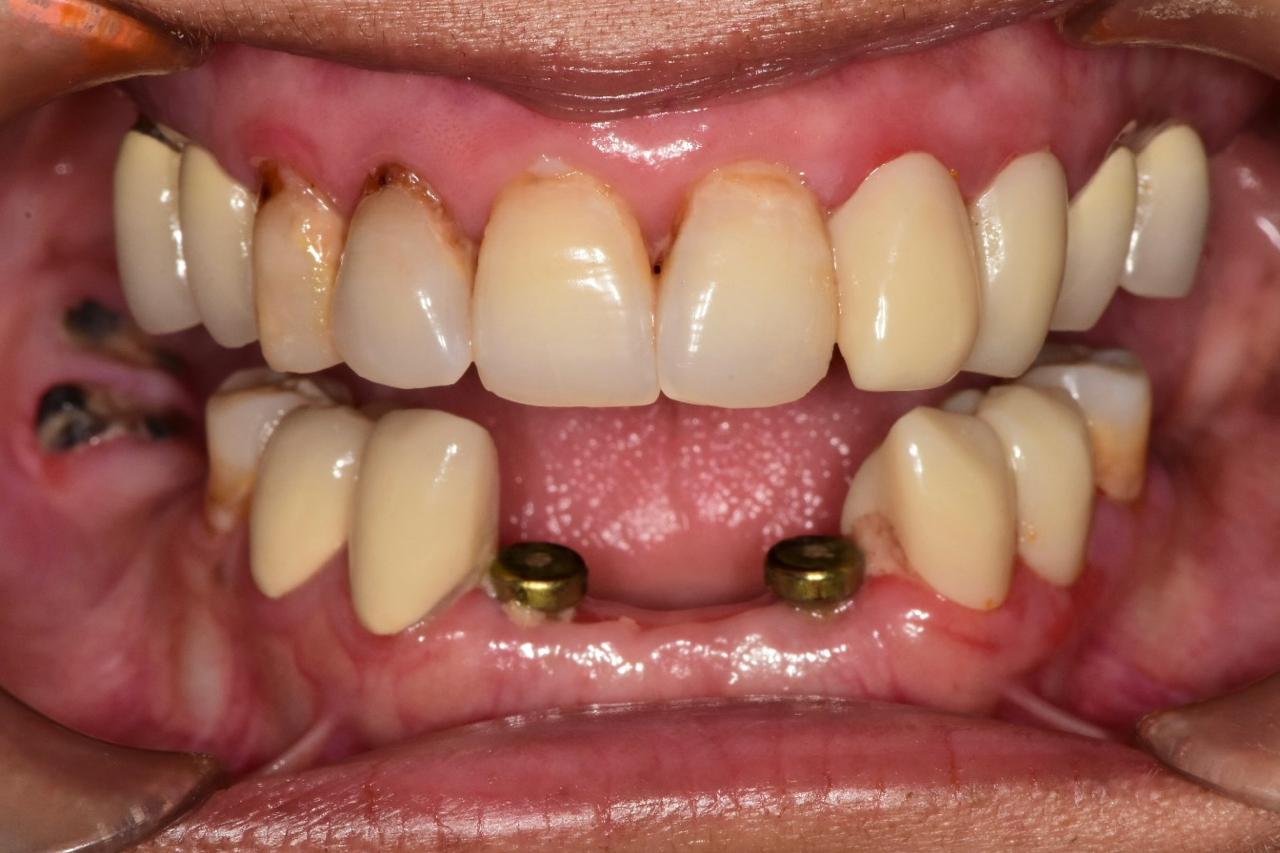
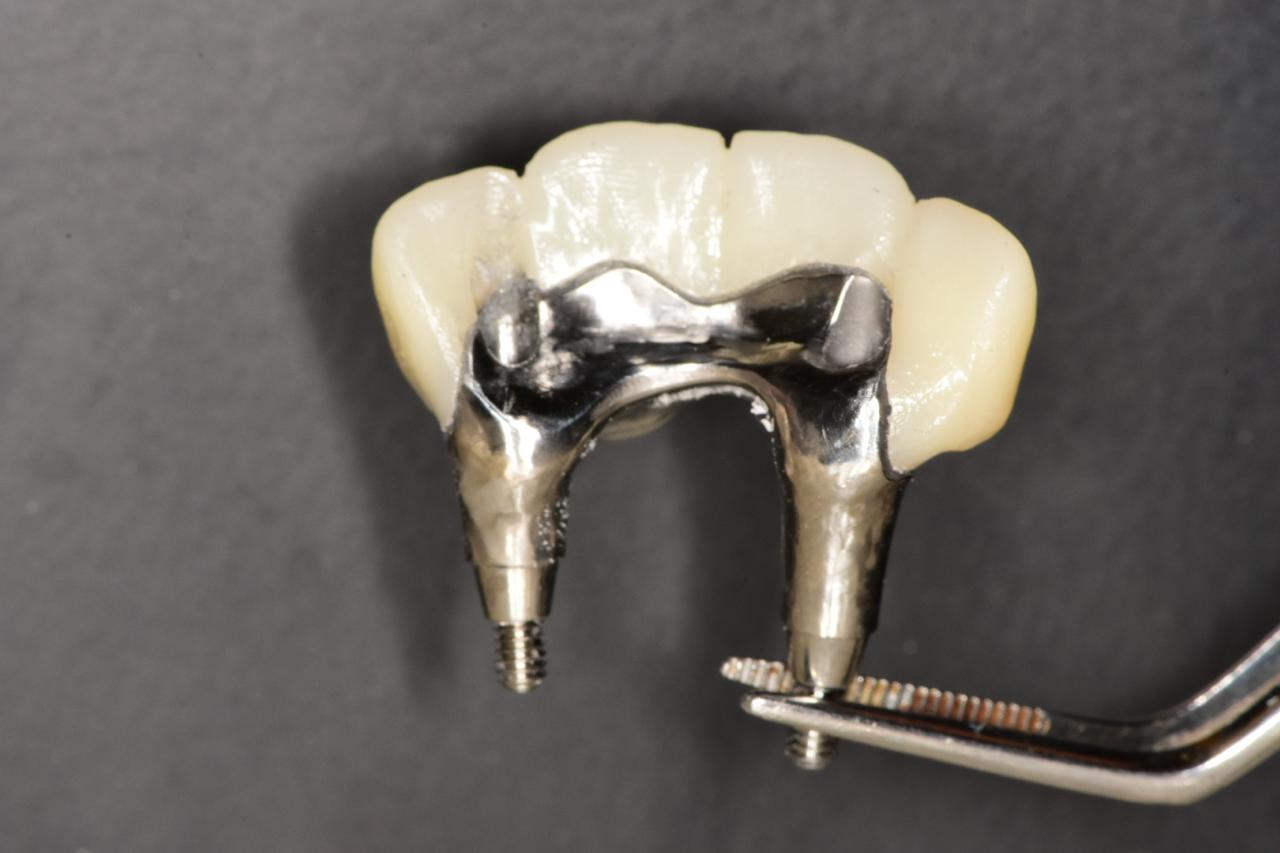
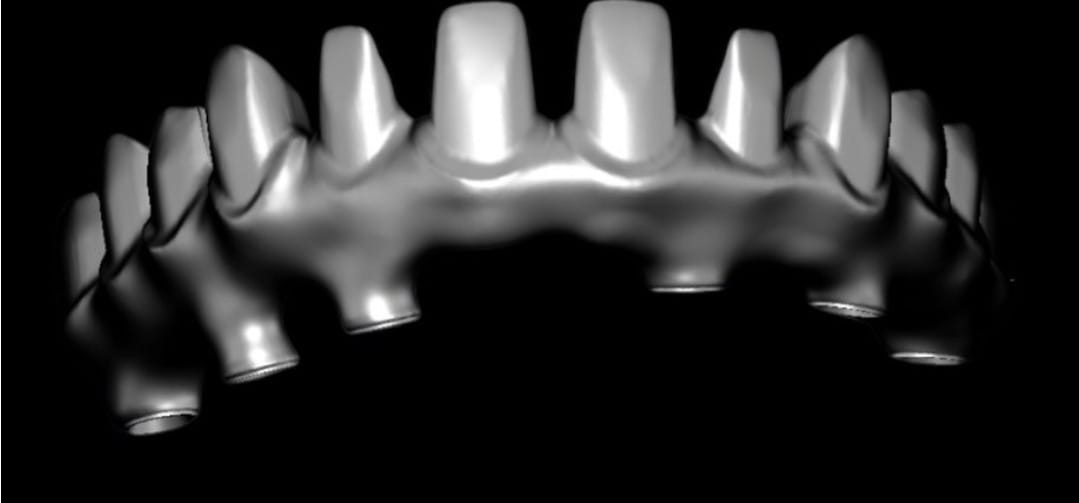
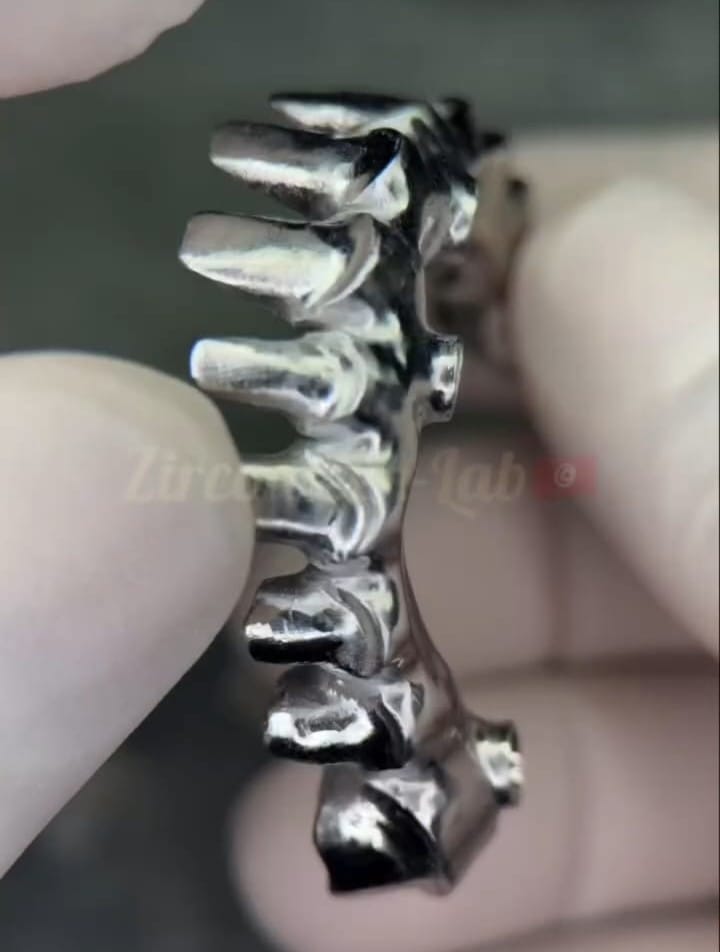
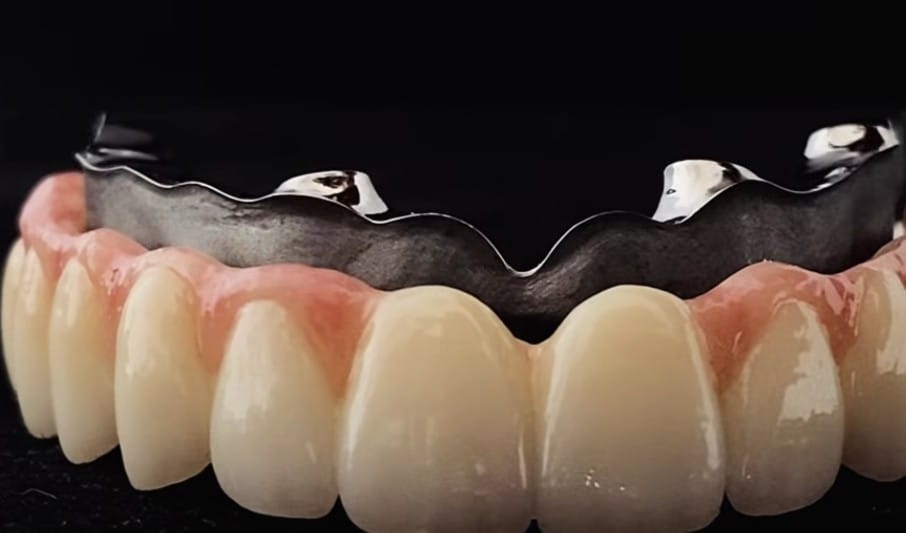
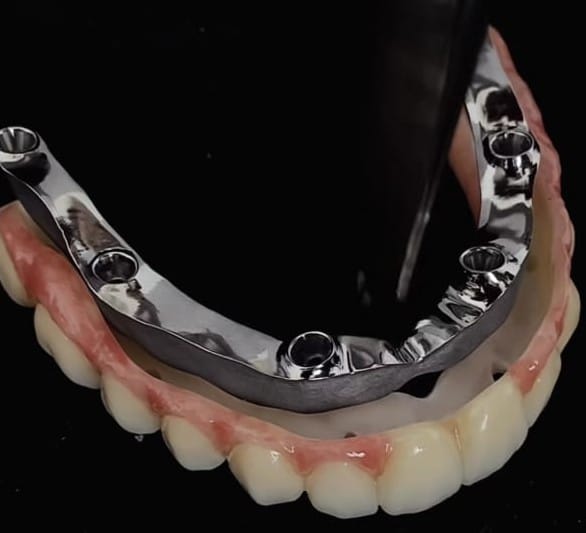
An implant bar is used to securely support a removable denture or, in some cases, a fixed prosthesis.
Implant bars are commonly fabricated using CAD/CAM technology from titanium or cobalt-chromium for a precise fit.

Digitally planned implants for a secure, natural-feeling replacement.
3D digital planning guides precise implant placement, giving a stronger foundation and a shorter recovery.

Porcelain-fused-to-metal crowns for strength with a natural finish.
A metal core wrapped in porcelain gives extra durability for back teeth, while keeping a natural tooth-like finish.
Milled in-house from medical-grade zirconia for strength and shade match.
Metal-free, chip-resistant and shade-matched to your smile — our most popular choice for both front and back teeth.
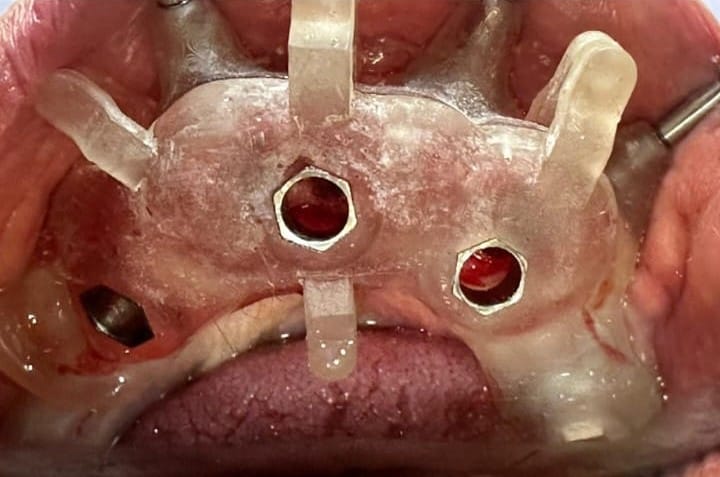
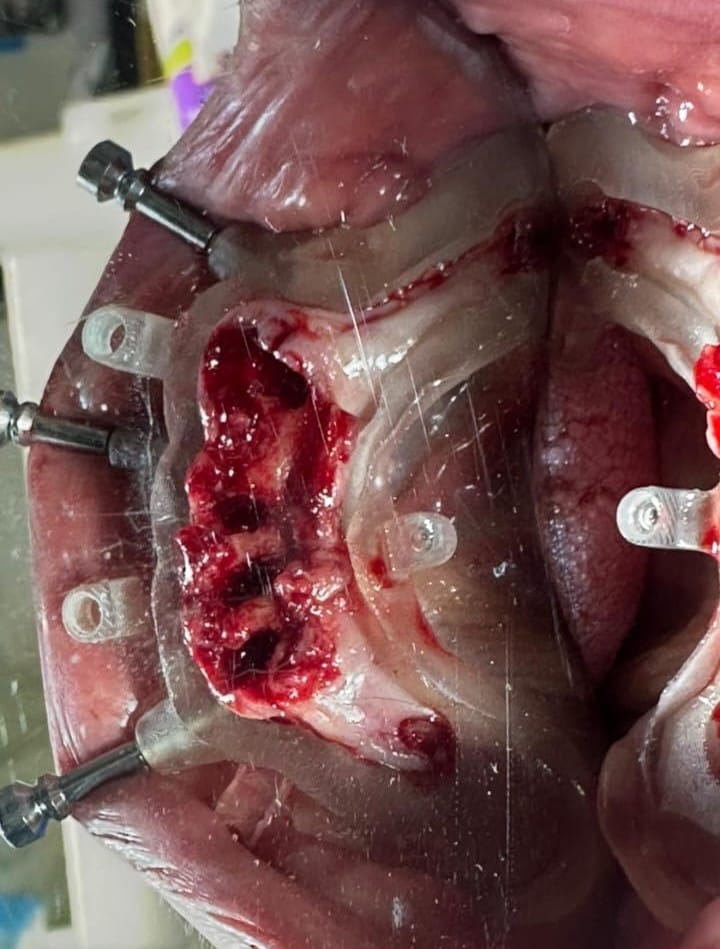
A surgical guide is a custom-made template that helps dentists place dental implants accurately.
It is digitally designed using CBCT scans and intraoral scans, then 3D printed for high accuracy.
Comfortable full or partial dentures crafted for a natural fit.
Digitally designed for a secure, comfortable fit that restores your bite, speech and confidence.
Reach our team , lab enquiries or a free digital consultation.
Contact UsQuestions
Zirconia crowns are milled from a solid ceramic block, making them extremely strong and chip-resistant — ideal for back teeth. Porcelain (PFM) crowns offer excellent aesthetics and are often used for front teeth where a natural translucency matters most. We'll recommend the best option after reviewing your digital scan.
A single implant typically takes 3–6 months in total, including healing time for the implant to fuse with the jawbone before the final crown is placed. Digital planning helps us keep every stage on schedule.
Because our digital lab is in-house, most single-unit restorations are designed and milled within 24–48 hours. Complex multi-unit cases may take 3–5 working days.
Yes — for many single-tooth cases we can scan, design and mill your crown on the same day, so you leave with your final restoration in one visit.
Pricing depends on the treatment, materials used and number of units involved. After your initial consultation and digital scan, we'll provide a clear, itemised estimate before any work begins.